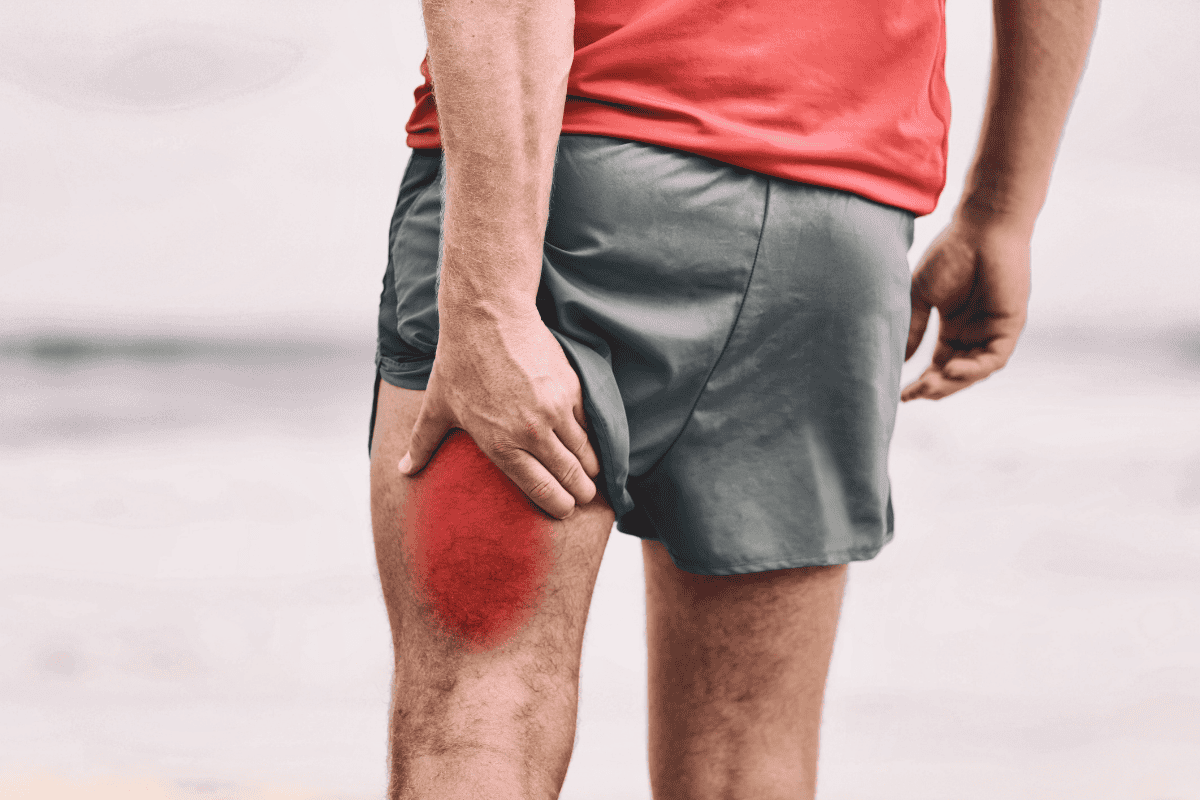
Pain is a signal, but we’ve all done it, ignored the ache in our heel after a long day. Rolled our shoulders and carried on through the stiffness. Told ourselves that the twinge in our knee would sort itself out, and sometimes it does (clever body). But sometimes it’s your body trying to get your attention—and it’s worth listening.
Pain isn’t the enemy. It’s a messenger.
Pain Is A Signal – Start Listening
When something hurts, the instinct is either to push through it or to worry about what it means. But there’s a more helpful way to think about it: pain is your body’s way of flagging that something needs attention. It doesn’t mean something is seriously wrong or you’re broken. It simply means something is asking to be heard.
And this is true, whether it’s a dull background ache you’ve had for months, a sharp sensation that appeared after a fall, or a stiffness that’s making mornings feel harder than they used to.
The key is not to ignore the whisper — because whispers have a habit of getting louder.
Listen to Your Body: From Head to Toe
One of the things we hear most often is “I’ve just been putting up with it.” And it’s completely understandable — life is busy, and we’re all good at adapting. But your body speaks in all sorts of ways, and it’s worth knowing what to listen for.
Your feet and lower limbs.
Heel pain first thing in the morning. Aching arches after a walk. Toes that don’t quite fit into your favourite shoes suddenly. Foot discomfort is incredibly common and often brushed off — but your feet are the foundation of how your whole body moves. When they’re struggling, you often feel it further up the chain, too.
Your back, neck, and posture.
That tight neck at the end of a long day. The lower back stiffness occurs after sitting for too long. Postural aches are among the most common reasons people come to see us — and also among the most responsive to the right kind of support and movement guidance.
After an injury
Whether it’s a sprained ankle, a pulled muscle, or something that happened during sport or exercise — recovery matters. Getting movement back safely, rebuilding strength gradually, and making sure you’re not compensating in ways that cause new problems down the line is exactly what physiotherapy is here for.
After an operation
Surgery is a significant event for the body, and rehabilitation is a vital part of recovery. Post-operative physiotherapy helps restore movement, rebuild confidence, and support the body in healing well — so that you come out the other side feeling stronger, not just patched up.
Joint pain and stiffness
Whether it’s arthritis, age-related changes, or simply the wear and tear of a life well lived, joint discomfort doesn’t have to be something you simply accept. There’s often a great deal you can do to reduce pain, improve mobility, and help you keep doing the things you love.
You Don’t Have to Just Put Up With It
Physiotherapy isn’t just for elite athletes or people who’ve done something dramatic involving a ladder. It’s for anyone whose body is sending signals they’re not quite sure how to read. It’s for the person who’s been limping through their morning walk. The one who’s been sleeping badly because of an aching shoulder. The one who’s just had a hip replacement and wants to feel like themselves again.
Whatever your body is telling you, you don’t have to figure it out alone.
Pain Is a Signal: What Is Your Body Saying?
If something has been niggling — however big or small — we’d love to help. Our team offers physiotherapy, podiatry, and a range of other treatments under one roof, so you can get the right support in the right place.
Get in touch to book a consultation or simply have a chat about what you’ve been experiencing. Sometimes the first step is just saying it out loud. Because your body deserves to be listened to.
Did you catch last month’s blog? Move Well. Age Well: Supporting Your Mobility at Every Stage of Life is a great accompaniment of this one.