Staying active as we age has never been more talked about — and walking seems to be at its heart. It’s in the news, in conversations, and in the way people talk about health and well-being. And it’s easy to see why. It’s simple, accessible, and often the first step — no pun intended — back into movement for many people.
But what’s really interesting isn’t just the walking itself — it’s what it represents. A return to movement, confidence, and, in many cases, a return to doing things that feel enjoyable again.
With a summer of sport ahead — Wimbledon, athletics, football tournaments and more — there’s something quite inspiring about this time of year. These events often spark something in us. Dusting off old trainers, picking up a racket again, joining a walking group, or simply meeting a friend for a stroll in the park.
And that’s really the point. It doesn’t have to be complicated.
Confidence plays a bigger role than we think.
Recent research highlighted by Age UK shows that for many people aged 50–65, it isn’t physical ability that holds them back from group activity or sport, but confidence and self-perception. Thoughts like “I’m not fit enough” or “I wouldn’t fit in” can become the real barrier.
But confidence isn’t fixed by age.
It shifts. It builds. And often, it returns once people are in the right environment with the right support.
As a physiotherapist, I see this all the time. People who believe they “can’t” often discover they absolutely can — just not in the same way they used to.
Staying active as we age isn’t about going back
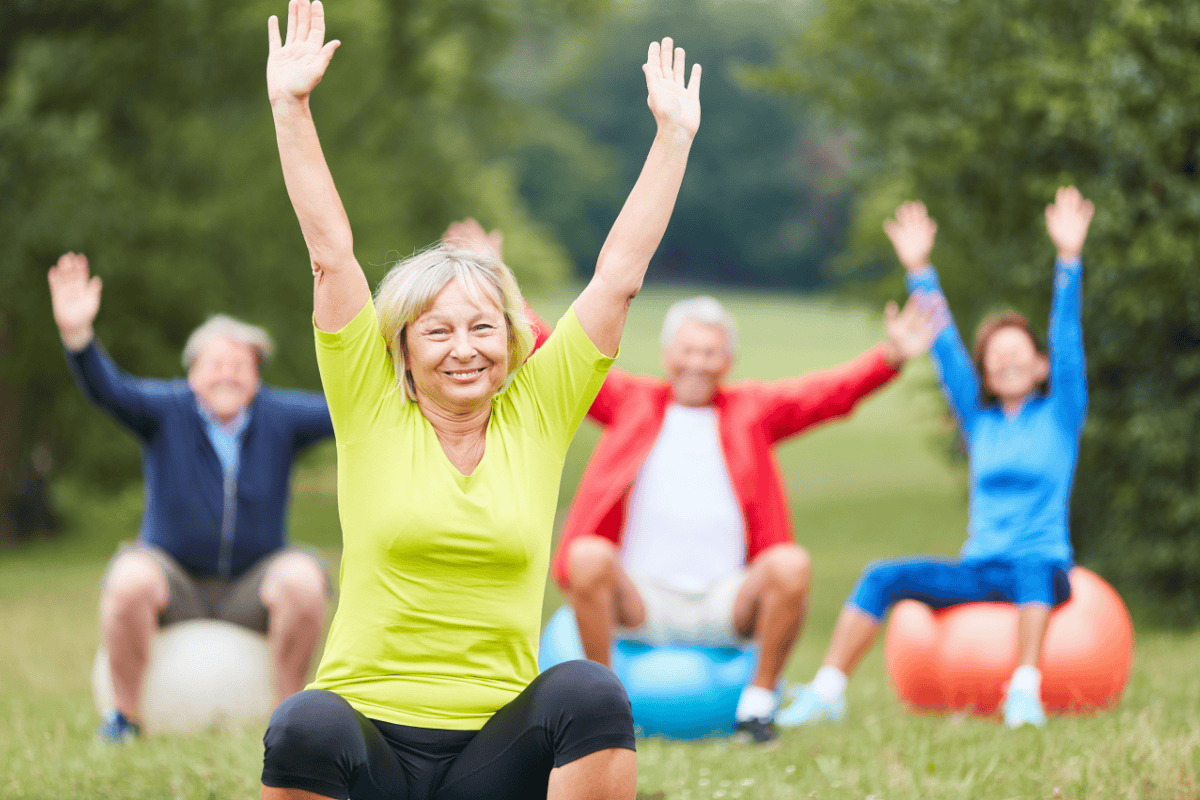
It isn’t about returning to how things were ten or twenty years ago. It’s about working with the body you have now and finding ways to move that feel realistic, enjoyable, and sustainable. For some, that might be walking. For others, it might be a gentle return to sport, a fitness class, or a local group activity.
And for many, it becomes something more than exercise. I’ve worked with plenty of people who use movement to foster social connection. Meeting new people, building friendships, and then extending those connections into coffee catch-ups, day trips, and shared activities outside of exercise.
Movement becomes the starting point, not just the goal.
Walking is often the bridge back.
Where people begin again, because it’s low pressure, adaptable, and can be done alone or with others. It can also be the gateway back into sport, confidence, and community.
Walking sports and social activity groups are growing for a reason — they remove the pressure of performance and replace it with enjoyment, connection, and consistency.
And sometimes, that’s all it takes to rebuild confidence in what your body can do.
Don’t wait for it to feel easy.
If there’s one message I’d leave you with, it’s this: don’t wait until you feel ready, confident, or pain-free before you start.
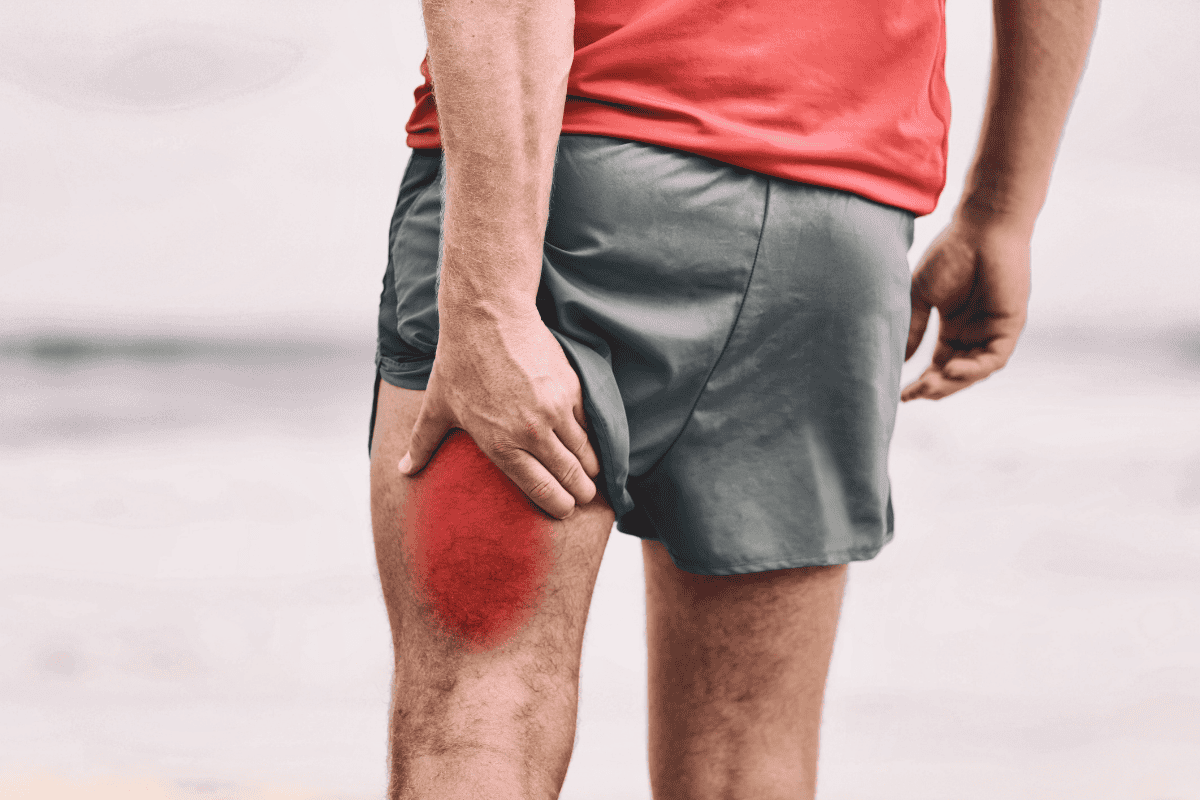
If something is holding you back — whether that’s an ache, a niggle, uncertainty, or a lack of confidence — that’s the time to seek support, not step away.
The earlier we understand what’s going on, the more options we often have. Small changes, the right guidance, and a bit of reassurance can make a real difference to what feels possible.
And if something is stopping you from getting back to the pitch, court, group, or even just your regular walk, that’s exactly what we’re here for.
A final thought…
Staying active as we age isn’t about doing more. It’s about regaining confidence in movement. And that can start at any time. Sometimes it starts with a walk, in saying yes, and sometimes it starts with realising it really is never too late.
Please do get in touch if you’d like to make an appointment with one of our team. Or to book an appointment with one of our physios, book online here.